Wuhan: Another New Day

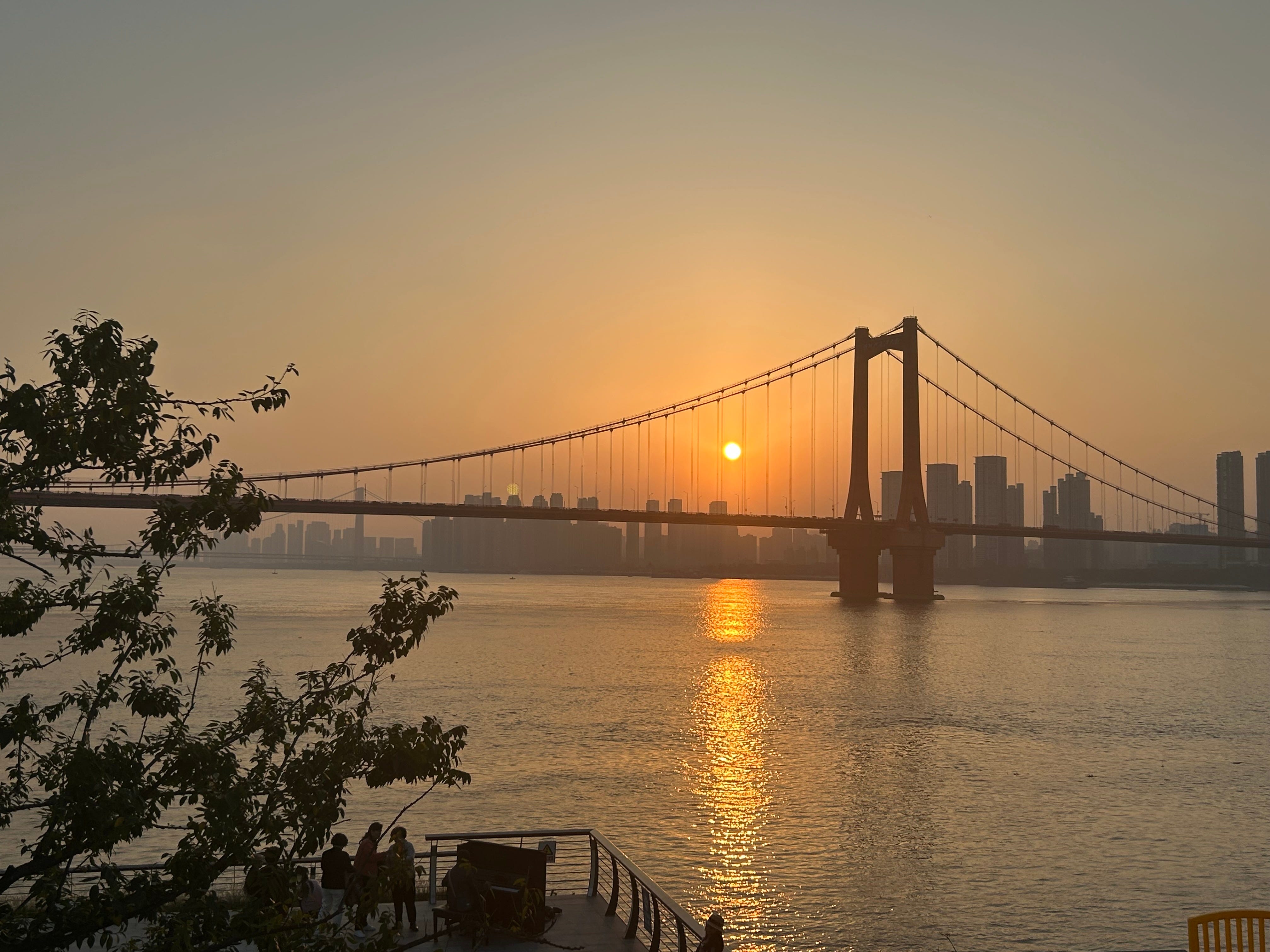
Wuhan, a major trading hub for its famous waterways, found itself at the center of global media attention in 2020.
In media portrayals, the Huanan Seafood Market appeared dirty and dim, with helpless wild animals struggling inside cages. The images seemed to accuse humanity itself: it was human greed that had brought the world to this point.
Yet few imagined that soon enough, those who would be trapped in cages were no longer animals, but millions of Wuhan residents, and even the collective identity of “the Chinese.”
When news of the lockdown first leaked, countless Wuhan residents fled the city in fear, only to be repeatedly ordered into quarantines upon reaching their hometowns. Wuhan tourists were expelled from hotels, turned away by every other option, solely because of the residence listed on their ID cards.
A city they had lived in for years suddenly became taboo: something unspeakable, something stigmatized.
January 23, 2020.
Wuhan entered lockdown.
As the final buses stopped running and the city fell into silence, all civil servants and medical workers were mobilized. Whether on foot, by bicycle, or by car, they took on the responsibility of keeping a city of twelve million people functioning.
Wuhan began to save itself.
Doctors risked their lives day and night in ICUs. Vaccine researchers slept in laboratories to accelerate progress. Commerce officials coordinated essential supplies from every direction. Local workers disinfected the deserted Huanan Seafood Market and handled bodies destined for cremation.
Wuhan has long been a city marked by hardship.
As a city of hundreds of lakes, located where two great rivers meet, it has endured endless floods. Summers are scorching like a furnace; winters are bitterly cold. Generations of suffering are etched into the city’s people, shaping their resilience and quiet courage.
Everyone wore masks voluntarily. Health codes became the new rules of movement. People who had stayed at home, students, drivers, workers of all kinds, signed up as volunteers despite the risk of infection.
One hundred years earlier, on October 10, 1911, their ancestors fired the first shot in Wuchang, igniting the Xinhai Revolution: a people’s uprising against imperial rule.
A century later, the descendants of those revolutionaries carried the same resolve. They have always been proud of their hometown, and that pride made them willing to risk their lives to protect it.
Fear and grief wandered the city like ghosts.
Families of critically ill patients anxiously knocked on the glass of registration rooms. Life and death were separated by a pane of glass. People watched their loved ones become cold bodies awaiting cremation, then returned home alone, mechanically cooking meals in silence.
They did not care about being discriminated against.
They did not care about being excluded.
They only wanted to survive.
On April 8, 2020, after seventy-six days of lockdown, Wuhan reopened.
As the world celebrated Wuhan’s successful control of the pandemic, the city itself felt like a survivor of disaster: exhausted, numb, barely able to respond. Only when more and more visitors arrived to “check in” and praise the city as a “heroic city” did Wuhan people slowly realize:
We survived.
Today is December 25, 2025. Christmas Day.
Wuhan’s winter is still cold. People wearing coats and scarves, pulling suitcases, hurry home from all over the world for the holiday. Among them are engineers, businesspeople, doctors, and chefs. With quiet resilience, they contribute in their own small ways wherever they are.
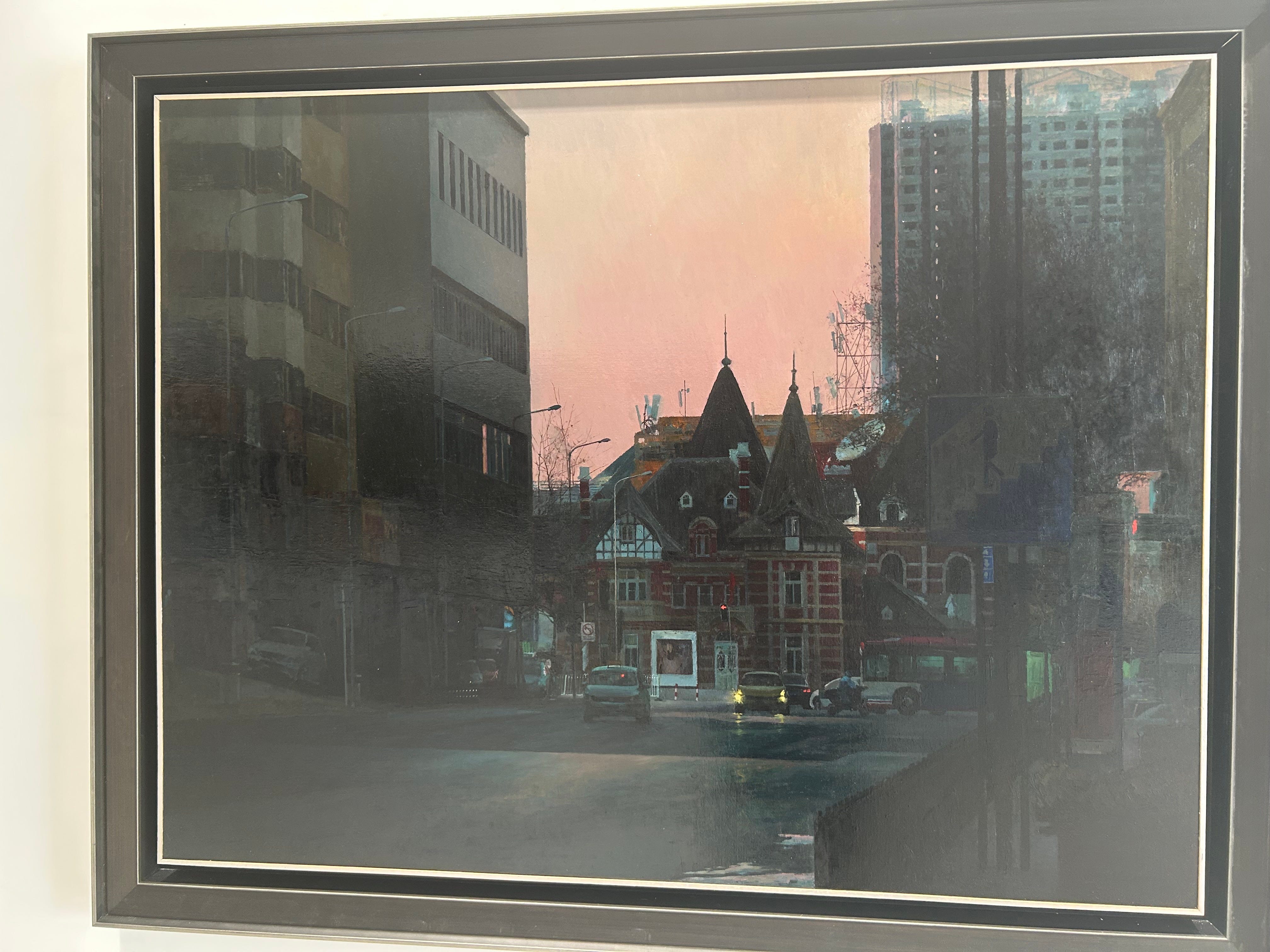
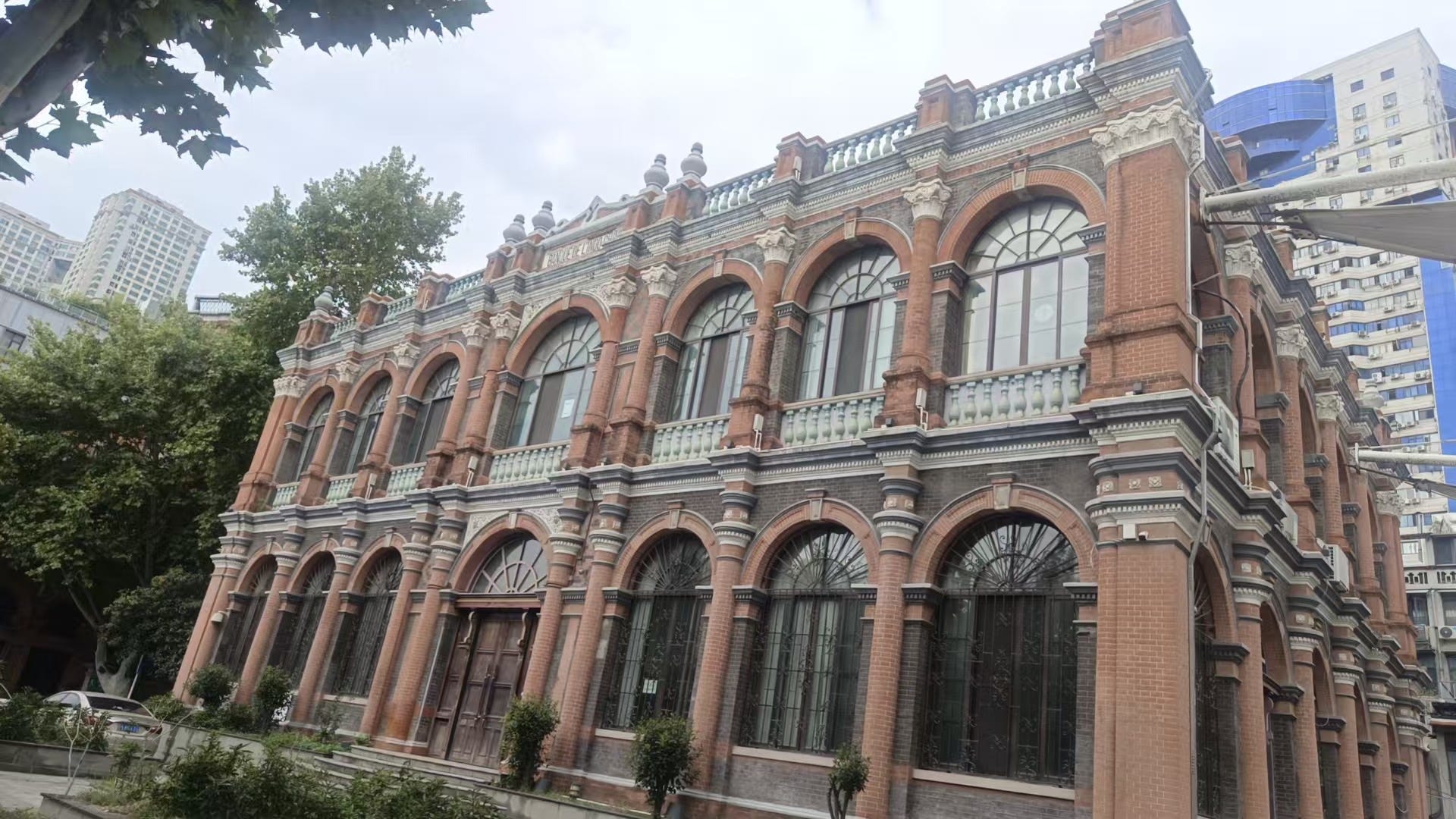
Today I return to Jianghan Road, once a concession area and commercial center, a street where foreign-style buildings stand beside small shops, where bookstores face art galleries. Foods from around the world, Mexican, Japanese, French, Thai, coexist here in harmony. Everything looks the same, yet something feels different.
I look at Wuhan.
He is old, hair white, face lined with wrinkles, silently lowering his head and continuing his work.
I ask Wuhan, “Are you okay?”
Wuhan replies,
“It’s another new day.”
念奴娇·赤壁怀古
大江东去,浪淘尽,千古风流人物。故垒西边,人道是:三国周郎赤壁。乱石穿空,惊涛拍岸,卷起千堆雪。山上如画,一时多少豪杰。
遥想公瑾当年,小乔初嫁了,雄姿英发。羽扇纶巾,谈笑间、樯橹灰飞烟灭。故国神游,多情应笑我,早生华发。人间如梦,一尊还酹江月。
Translation:
Meditating on the Past at the Red Cliff
--to the tune of Niannujiao
Original by: Su Shi (11th AC, social name 'Dongpo')
English version by: Julia Min ( 2025 )
To the East Sea flows the Yangtze River,
Washing away forever, in tides of time,
All the heroes of the past we remember.
On the west side of this slopy stronghold,
Some say, in Three Kingdoms’ chaotic era,
Zhou Yu won his Red Cliff Battle on water.
What a splendid war field unfolds across --
Startling waves strike the bank like thunder.
Jagged rocks pierce the sky along the shore.
So many warriors set forth and fought here.
I recall Gongjin, a youth of radiant valour,
Newly wedded to the fair Qiao, the young sister.
With scholar’s silk cap and feather fan in hand,
He chatted at ease as he claimed a great feat:
The tides turned, sailed his burning boats over,
Cao’s fleet jammed in smoke, doomed in fire.
Here I stand, in regret, mocked by my grey hair,
Just a wanderer, simpering in his sick humour.
It’s such a dream -- life or death, loss or success.
I’d pour out wine to honour the Moon, the River.
Poem translation citation:https://www.rhymesandvibes.com/post/meditating-on-the-past-at-the-red-cliff-1
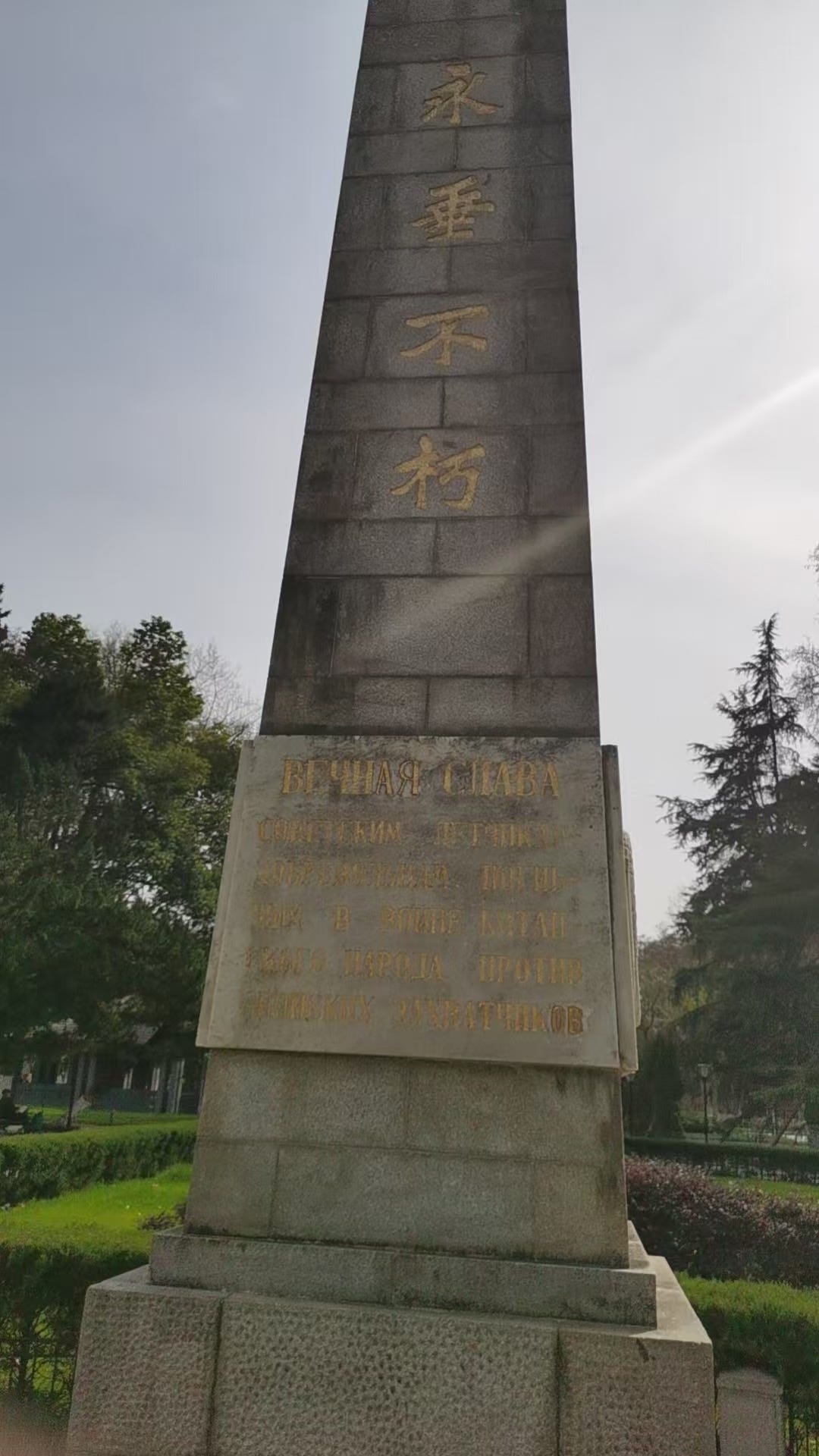
Monument to the Heroes
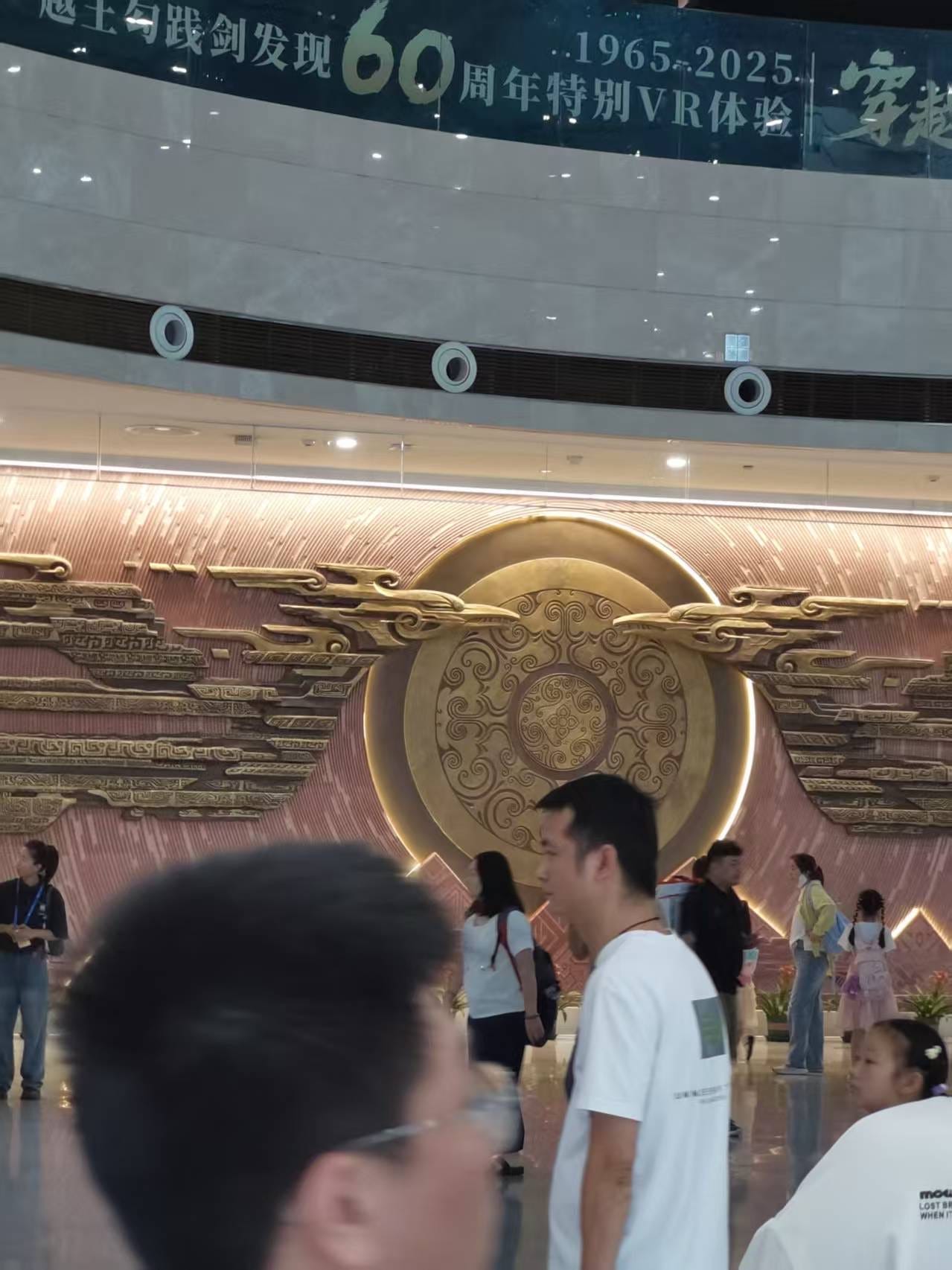
Wuhan people see themselves as descendants of the Nine-Headed Phoenix:a kind of immortal bird. The symbol is carved on the wall in the second picture.
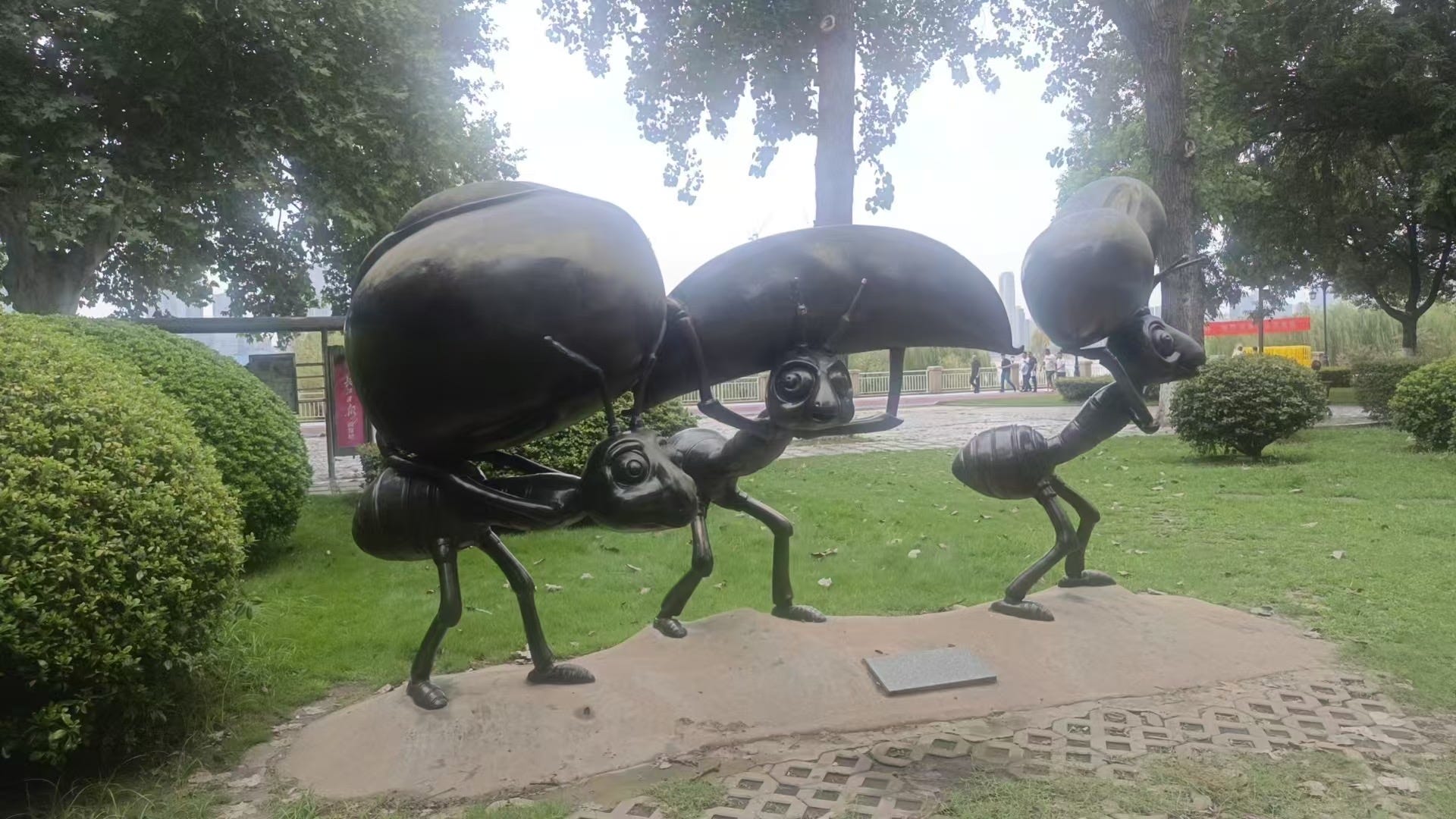
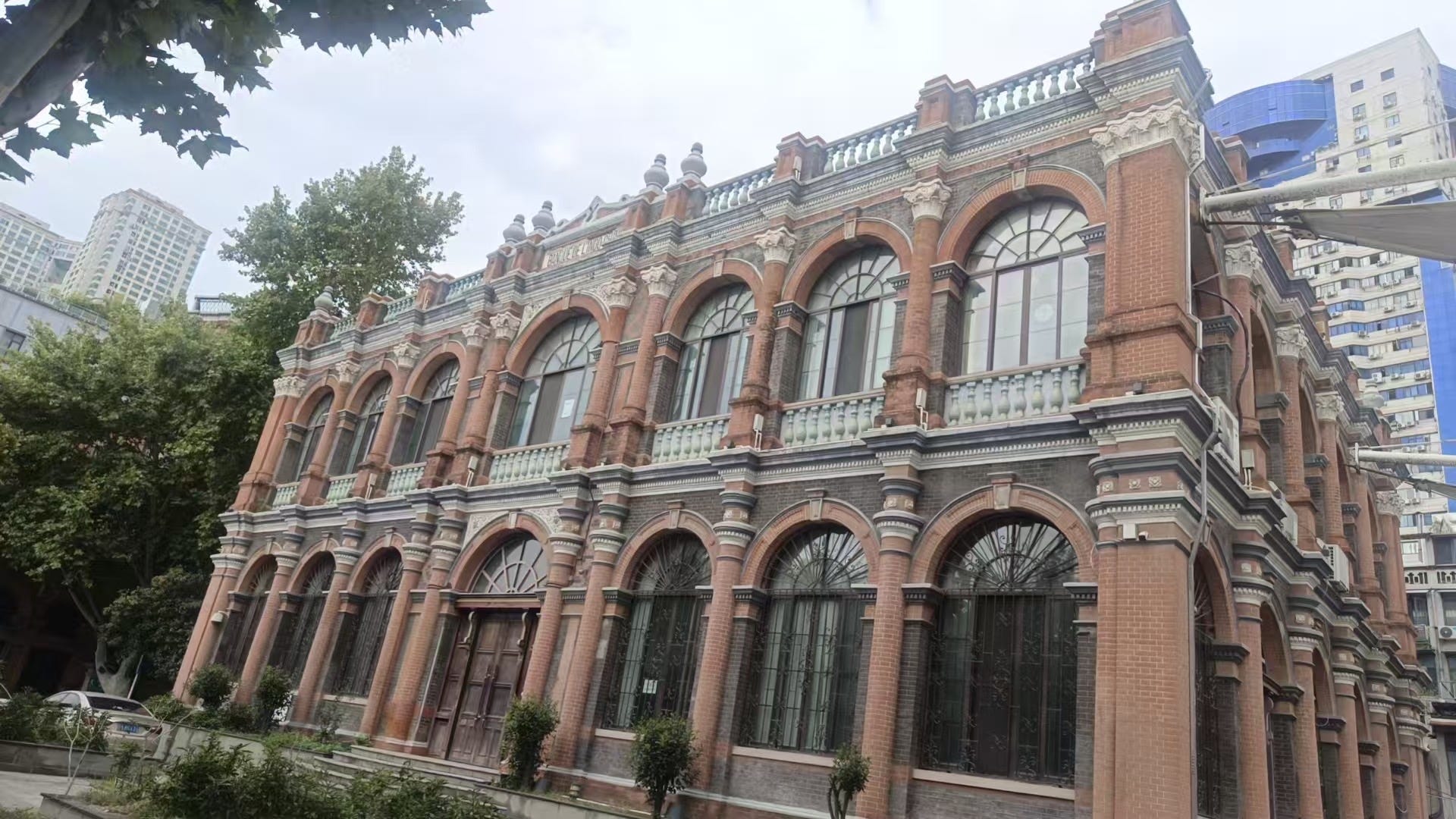
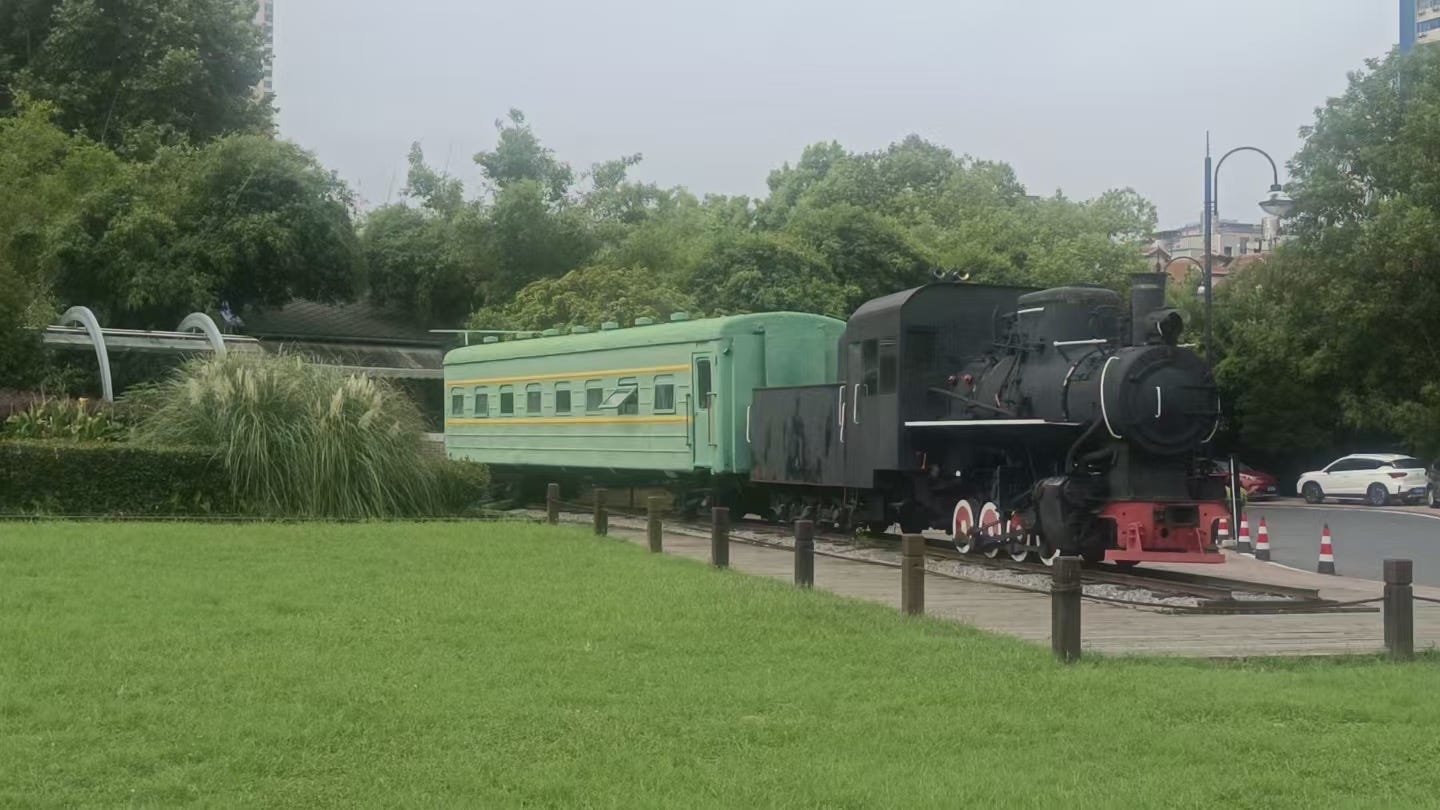
old-style green passenger train